
legg igjen en beskjed
Hvis du er interessert i produktene våre og ønsker å vite mer, kan du legge igjen en melding her, så svarer vi deg så snart som mulig.




Beste kjøpet jeg har gjort i vinter! Fargen og strikkingen er utsøkt, og den er så komfortabel! Dro fra NYC til Miami uten å ta den av meg. Supersøt!!
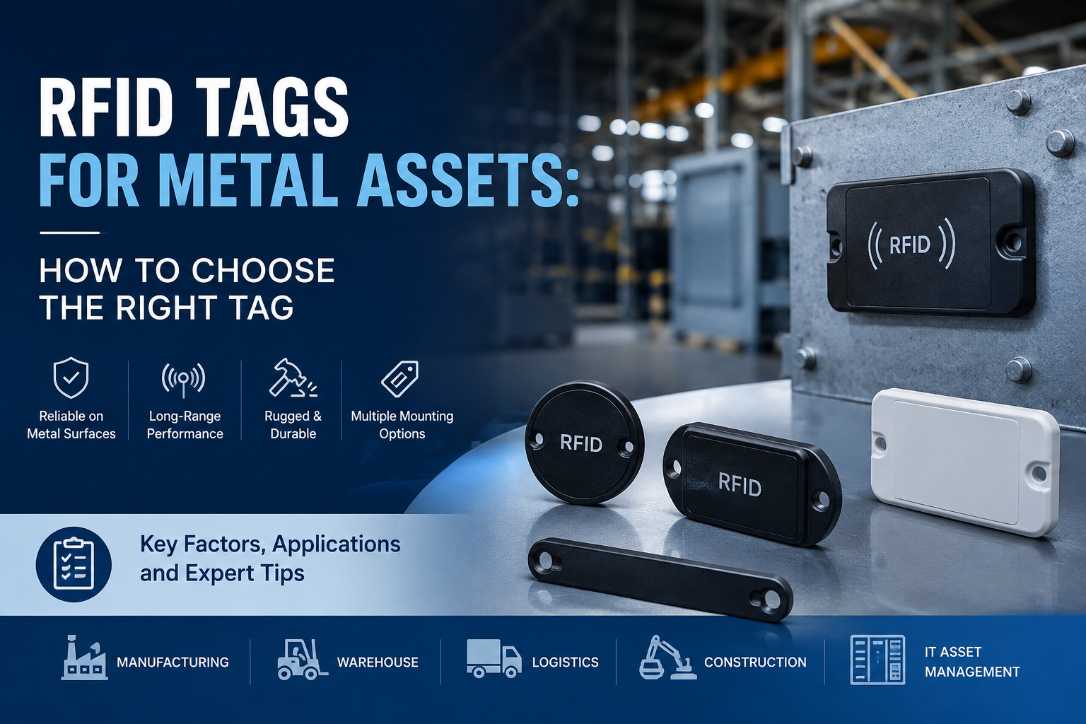
Metallressurser finnes overalt i moderne industrielle og kommersielle miljøer. Fra maskiner, verktøy og stålbeholdere til elektrisk utstyr, kjøretøy og industrikomponenter representerer metallressurser ofte en betydelig investering og krever nøyaktig identifikasjon gjennom hele livssyklusen. Det kan imidlertid være utfordrende å spore disse ressursene med konvensjonelle RFID-brikker fordi metalloverflater kan forstyrre radiofrekvenssignaler.
Det er her RFID-brikker spesielt utviklet for metallressurser blir avgjørende. Med riktig merketeknologi kan bedrifter oppnå pålitelig identifikasjon, raskere lagerprosesser, bedre synlighet av eiendeler og forbedret driftseffektivitet.
Men ikke alle RFID-brikker som er designet for metall er egnet for alle bruksområder. Faktorer som driftsfrekvens, leseavstand, brikkstørrelse, monteringsmetode, miljøforhold og selve eiendelens egenskaper påvirker ytelsen. Å forstå disse faktorene er nøkkelen til å velge riktig RFID-brikke for metalleiendeler.
RFID-systemer kommuniserer via radiobølger mellom RFID-lesere og brikker. Standard RFID-brikker er vanligvis designet for å fungere på materialer som papp, plast, tre eller papir. Når disse brikkene festes direkte til metall, kan ytelsen deres reduseres betydelig.
Metall kan reflektere og absorbere elektromagnetisk energi, noe som skaper interferens mellom RFID-leseren og taggen. Som et resultat kan en konvensjonell RFID-tag montert direkte på en metalloverflate ha kortere leseavstand, ustabil kommunikasjon eller til og med ikke bli oppdaget.
Av denne grunn krever metallgjenstander RFID-brikker med spesielle design. RFID-brikker på metall har vanligvis et isolasjonslag, en spesiell antennestruktur eller andre tekniske funksjoner som gjør at brikken fungerer effektivt når den er montert på ledende overflater.
Å velge en RFID-brikke på metall handler derfor ikke bare om å velge en brikke med en sterk antenne. Det krever at brikkedesignet matcher det fysiske miljøet og forretningskravene.
RFID-brikker på metall er RFID-transpondere som er spesielt konstruert for montering på metalloverflater. De brukes ofte til å spore industrielt utstyr, verktøy, maskiner, metallbeholdere, kjøretøy, IT-utstyr og andre eiendeler som er laget helt eller delvis av metall.
De fleste metallbrikker bruker et avstandslag eller isolasjonslag mellom RFID-antennen og metalloverflaten. Dette laget bidrar til å kontrollere samspillet mellom antennen og det ledende materialet, slik at brikken opprettholder mer stabil RFID-ytelse.
Avhengig av bruksområdet kan RFID-brikker på metall produseres ved hjelp av forskjellige materialer og strukturer. Noen er kompakte og egnet for små verktøy, mens andre er større og designet for langdistanseidentifikasjon av tungt industrielt utstyr.
Det riktige valget avhenger i stor grad av hvordan og hvor merkelappen skal brukes.
Den første faktoren å vurdere er RFID-frekvens.
For sporing av eiendeler er UHF RFID ofte et praktisk valg fordi det gir relativt lange leseavstander og støtter rask identifisering av flere eiendeler. UHF RFID-systemer er mye brukt i lagerbygninger, produksjonsanlegg, logistikksentre, utstyrsadministrasjon og industriell sporing av eiendeler.
HF- og NFC-teknologier opererer på kortere avstander, men kan være nyttige når brukere trenger identifikasjon på kort avstand, interaksjon med mobilenheter eller spesifikke sikkerhets- og tilgangskontrollfunksjoner.
Hvis målet er å identifisere flere metallgjenstander på flere meters avstand, er UHF RFID vanligvis verdt å vurdere. Hvis applikasjonen krever at brukere bevisst skanner en enkelt gjenstand på nært hold, kan HF eller NFC være mer passende.
Derfor bør frekvens velges i henhold til den faktiske leseavstanden og arbeidsflyten i applikasjonen, i stedet for bare å velge den kraftigste teknologien.
Leseavstand er en annen kritisk faktor.
Et lite metallverktøy trenger kanskje bare å identifiseres fra 0,5–2 meters avstand, mens store maskiner eller kjøretøy må kanskje oppdages fra flere meters avstand.
Når produsenter evaluerer en RFID-brikke, kan de oppgi et maksimalt teoretisk leseområde. Den faktiske ytelsen kan imidlertid variere avhengig av RFID-leser, antenne, leserens strømstyrke, eiendelens retning, omkringliggende materialer, brikkemonteringsposisjon og miljøforhold.
For eksempel kan en tagg montert flatt på en stor ståloverflate fungere annerledes enn den samme taggen montert nær en kant eller et hjørne.
Hvis identifikasjon over lang avstand er viktig, anbefales det å evaluere hele RFID-systemet – inkludert taggen, RFID-leseren og antennen – i et reelt applikasjonsmiljø.
Taggdimensjoner har en direkte sammenheng med antennedesign og RFID-ytelse.
Generelt sett kan større brikker gi mer plass til antennestrukturer og kan oppnå bedre leseytelse. Store brikker er imidlertid ikke alltid praktiske.
For små metallverktøy, håndholdt utstyr eller kompakte komponenter kan en stor brikke forstyrre normal drift eller skape installasjonsvansker. I disse tilfellene kan en liten RFID-brikke på metall med en optimalisert antenne gi en bedre balanse mellom størrelse og ytelse.
For stort industrielt utstyr, stålreoler, containere eller maskiner kan større etiketter være akseptable og gi bedre lesestabilitet.
Den beste RFID-brikken er derfor ikke nødvendigvis den største eller kraftigste. Det er brikken som gir tilstrekkelig ytelse samtidig som den passer til eiendelens fysiske dimensjoner.
Hvordan RFID-brikken festes til en metallgjenstand er like viktig som selve brikken.
Vanlige monteringsmetoder inkluderer selvklebende bakside, skruer, nagler, bolter, magnetisk feste og kabelstrips.
For glatte innendørsoverflater kan industrilim være en enkel og praktisk løsning. For utstyr som er utsatt for vibrasjoner, støt eller utendørsforhold, kan mekanisk feste som skruer eller nagler gi større langsiktig pålitelighet.
Noen industrielle RFID-brikker er designet med monteringshull spesielt for montering med skrue eller nagle.
Før du velger en tagg, bør du vurdere om eiendelen ofte flyttes, rengjøres, utsettes for vibrasjoner eller mekaniske støt. En tagg med utmerket RF-ytelse er av liten verdi hvis den faller av under normal drift.
Industrielle anlegg opererer ofte i krevende miljøer.
RFID-brikker kan bli utsatt for vann, støv, olje, kjemikalier, sollys, høye temperaturer, lave temperaturer, vibrasjoner, trykk og fysisk påvirkning.
For innendørs kontorutstyr kan et enkelt plasthus være tilstrekkelig. RFID-brikker som brukes på anleggsutstyr, utendørsmaskiner, industriverktøy eller transportmidler kan imidlertid kreve mye mer holdbar beskyttelse.
Når du velger en RFID-brikke for metallgjenstander, sjekk spesifikasjoner som IP-klassifisering, driftstemperatur, kjemisk motstand, UV-motstand, slagfasthet og forventet levetid.
For tøffe miljøer kan robuste RFID-brikker laget av materialer som ABS, PPS eller andre industrielle materialer gi bedre beskyttelse enn vanlige etiketter.
RFID-ytelsen kan endres avhengig av retningen til taggen i forhold til leserantennen.
Dette er spesielt viktig for applikasjoner der eiendeler beveger seg gjennom faste RFID-porter eller portaler.
Hvis arbeidere plasserer metallbeholdere eller -utstyr i forskjellige retninger, kan en brikke med en antenne som er designet for mer stabil ytelse over forskjellige vinkler være å foretrekke.
For håndholdt RFID-inventar kan operatører ofte justere leserposisjonen. For automatiserte systemer kan det imidlertid være vanskelig å kontrollere taggretningen.
Derfor bør bedrifter som implementerer automatisert sporing av eiendeler teste taggorienteringen nøye før de ferdigstiller taggdesignet.
Ikke alle metalloverflater oppfører seg på nøyaktig samme måte.
Stål, aluminium, rustfritt stål, lakkert metall, belagt metall og metalloverflater med buede former kan gi forskjellige RFID-resultater.
Formen på eiendelen har også betydning. En brikke montert på et flatt stålpanel kan fungere annerledes enn en festet til et smalt sylindrisk rør.
I tillegg kan materialer i nærheten, som væsker, elektronikk, batterier og andre metallkomponenter, påvirke RFID-kommunikasjon.
For komplekse industrielle applikasjoner anbefales det på det sterkeste å teste stikkprøver. Taggen bør testes på selve aktivumet i stedet for kun å bli evaluert i et åpent laboratoriemiljø.
RFID-brikker gjør mer enn å bare gi en fysisk etikett. Deres elektroniske minne kan lagre eller referere til identifikasjonsinformasjon.
For aktivastyring kan hver RFID-brikke tildeles en unik ID knyttet til informasjon i et bedriftssystem for aktivastyring, lagerstyringssystem, produksjonssystem eller annen programvareplattform.
Avhengig av RFID-brikken kan minnekapasiteten og tilgjengelige funksjoner variere.
I mange applikasjoner er det tilstrekkelig å lagre et unikt identifikasjonsnummer fordi detaljert informasjon om eiendeler vedlikeholdes i backend-databasen. Denne tilnærmingen kan forenkle taghåndtering og redusere behovet for stor minnekapasitet.
Før du velger en tagg, må du bestemme hvilken informasjon som skal lagres på RFID-brikken og hvilken informasjon som skal administreres av programvaresystemet.
Noen metallressurser er dyre, mobile eller vanskelige å overvåke kontinuerlig. I slike situasjoner kan RFID-brikker trenge ytterligere fysiske eller elektroniske sikkerhetsfunksjoner.
For eksempel kan det hende at merker som er installert på verdifullt utstyr krever manipuleringssikker montering eller spesielle hus. Hvis en merkelapp fjernes, skades eller erstattes, kan det hende at ressursforvaltningssystemet må oppdage endringen.
For verdifulle eiendeler kan det å kombinere RFID-identifikasjon med adgangskontroll, overvåkingsprogramvare, kameraer eller annen teknologi gi en mer omfattende sikkerhetsløsning.
RFID-teknologi på metall brukes i mange bransjer.
I produksjon kan RFID-brikker identifisere maskiner, produksjonsverktøy, former, inventar og komponenter under arbeid. Dette hjelper produsenter med å overvåke plasseringen av eiendeler og forbedre produksjonssynligheten.
I lagerbygninger kan RFID-brikker på metall festes til metallpaller, reoler, containere, vogner og gjenbrukbart transportutstyr. Automatiserte RFID-lesere kan deretter fange opp bevegelser av eiendeler uten at arbeiderne må skanne individuelle strekkoder.
Innen bygg og anlegg kan robuste RFID-brikker installeres på utstyr og verktøy for å forenkle lager- og vedlikeholdsstyring.
I IT-miljøer er metallbrikker nyttige for å spore servere, nettverksutstyr, skap og annen metallbasert infrastruktur.
Transportselskaper kan også bruke RFID-brikker for kjøretøyidentifikasjon, containere, tilhengere og gjenbrukbare logistikkmidler.
Disse applikasjonene viser at RFID for metallressurser ikke er begrenset til lagertelling. Det kan støtte hele ressursens livssyklus, fra anskaffelse og utrulling til vedlikehold, flytting og utrangering.
En praktisk prosess for valg av RFID-brikke kan oppsummeres i flere spørsmål:
Først, hvilken type eiendel må spores? Bestem størrelsen, materialet, formen og verdien.
For det andre, hvor skal RFID-brikken installeres? Vurder om overflaten er flat, buet, malt eller eksponert for andre materialer.
For det tredje, hvilken leseavstand kreves? Avgjør om det er behov for skanning på nært hold eller automatisk identifikasjon på lang avstand.
For det fjerde, hvilke miljøforhold vil merkelappen utsettes for? Vurder temperatur, vann, støv, kjemikalier, vibrasjon og fysisk påvirkning.
For det femte, hvordan skal merkelappen monteres? Velg mellom lim, skruer, nagler, magnetisk feste eller andre metoder.
Til slutt, hvordan vil RFID-systemet fungere? Vurder om applikasjonen bruker håndholdte lesere, faste lesere, RFID-porter, kjøretøylesere eller integrert automatisert utstyr.
Å svare på disse spørsmålene kan begrense de tilgjengelige RFID-tag-alternativene betraktelig.
Selv når en RFID-brikke oppfyller alle tekniske spesifikasjoner, er felttesting fortsatt viktig.
RFID-ytelsen avhenger av samspillet mellom taggen, leseren, antennen, eiendelen og omgivelsene rundt. En tagg som fungerer bra på én type metallutstyr, gir kanskje ikke de samme resultatene på en annen.
En anbefalt testprosess er å velge flere kandidatbrikker, installere dem på representative eiendeler og evaluere leseavstand, lesehastighet, orientering, monteringsstabilitet og ytelse under normale driftsforhold.
Testingen bør ideelt sett inkludere den faktiske RFID-leseren og antennen som skal brukes i det endelige systemet.
Denne tilnærmingen reduserer risikoen ved å velge en tag basert kun på laboratoriespesifikasjoner og bidrar til å sikre pålitelig ytelse etter utplassering.
Å velge riktig RFID-brikke for metallressurser krever mer enn bare å finne en brikke merket «på metall». Bedrifter må vurdere frekvens, leseområde, brikkestørrelse, monteringsmetode, miljømessig holdbarhet, eiendelens orientering, overflateegenskaper, minnekrav og sikkerhetsbehov.
For mange industrielle applikasjoner for sporing av eiendeler gir UHF RFID-brikker på metall en effektiv kombinasjon av langdistanseidentifikasjon, rask datainnsamling og automatiseringskapasitet. Den ideelle løsningen avhenger imidlertid av den spesifikke applikasjonen.
Den mest pålitelige tilnærmingen er å definere sporingskravene først, velge flere passende RFID-brikkekandidater og utføre testing i den virkelige verden før masseutrulling.
Med den rette kombinasjonen av RFID-brikker på metall, RFID-lesere, antenner og programvare for kapitalforvaltning, kan bedrifter forvandle tradisjonell kapitalforvaltning fra manuell telling til en mer nøyaktig, automatisert og datadrevet prosess.

Detaljert informasjon og PDF

Kontakt for support via e-post.

Profesjonell teknisk veiledning.

Kontakt for support via e-post.



LENKE

YouTube

legg igjen en beskjed
Skann til Wechat/Whatsapp :



 IPv6 NETTVERK STØTTES